Signs Your Basement or Foundation Needs Waterproofing
Noticing signs your basement or foundation needs waterproofing can help local contractors prevent water damage and maintain structural integrity.
Understanding the signs that your basement or foundation may need waterproofing is an important step for property owners in the area. Water intrusion, persistent dampness, or visible cracks can indicate underlying issues that, if left unaddressed, might lead to more significant structural concerns or costly repairs. Recognizing these early warning signs can help homeowners and property managers take timely action, often with the assistance of experienced local contractors who specialize in waterproofing solutions tailored to the unique conditions of the local environment.
Exploring this topic is practical for those who want to protect their property’s integrity and maintain a safe, dry living or working space. Local service providers offer a range of waterproofing services designed to address common issues such as moisture infiltration, foundation cracks, or basement flooding. By understanding the common signs that indicate waterproofing may be needed, property owners can make informed decisions and connect with trusted local contractors who can assess the situation and recommend appropriate solutions to safeguard their investment.
- Basement waterproofing - homeowners noticing damp or musty smells in their basement may need waterproofing services, which local contractors typically approach with interior or exterior sealing methods.
- Foundation waterproofing - visible cracks or water seepage through foundation walls often indicate the need for waterproofing, with local service providers assessing drainage and applying protective coatings.
- Basement waterproofing - persistent water stains or efflorescence on basement walls can signal underlying moisture issues that local pros address through drainage improvements and membrane installations.
- Foundation waterproofing - signs of bowing or shifting foundation walls suggest waterproofing might be necessary to prevent further damage, with local contractors evaluating drainage and structural stability.
- Basement waterproofing - if basement floors are regularly wet after heavy rain, local service providers may recommend waterproofing solutions to manage water intrusion effectively.
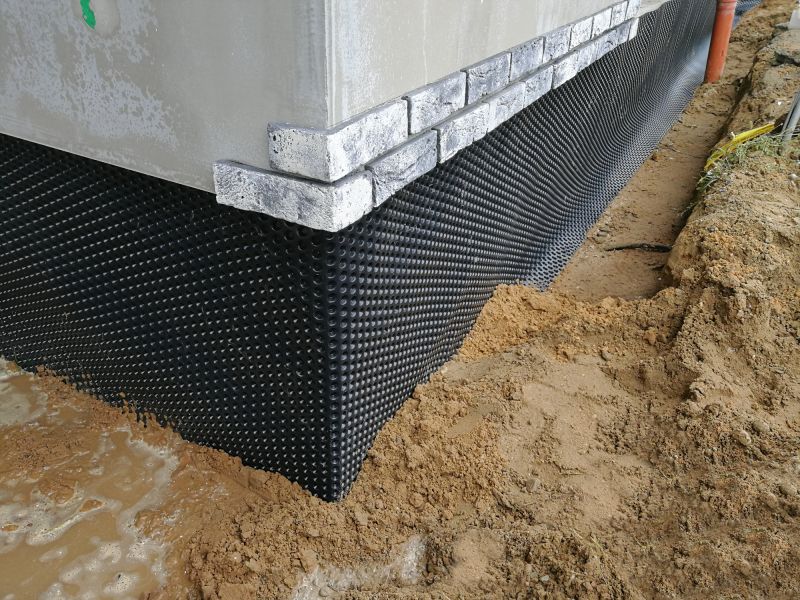
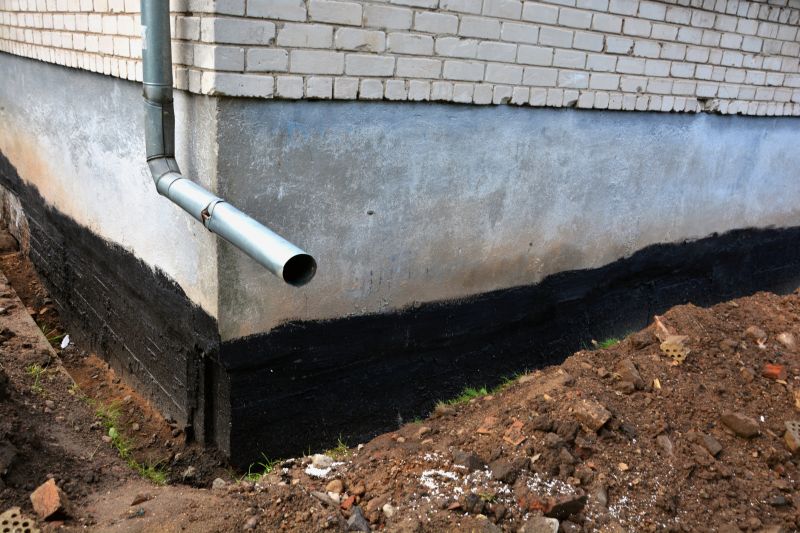
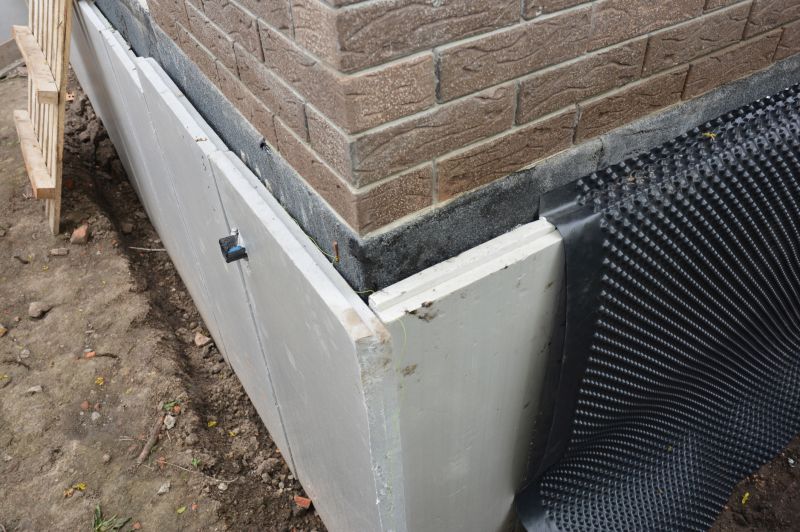
When homeowners search for signs their basement or foundation needs waterproofing, they are typically concerned about issues that threaten the structural integrity and usability of their property. These signs often include visible water intrusion, such as damp walls, standing water, or mold growth, which can indicate ongoing moisture problems. Such concerns are usually tied to ongoing plans to prevent further damage, protect belongings, and maintain a healthy living environment. Recognizing these signs early can help homeowners decide whether professional waterproofing services are necessary to address underlying issues before they escalate into costly repairs.
Problems related to basement or foundation moisture are common in homes situated in areas with high rainfall, poor drainage, or expansive soil conditions. Water intrusion can cause a range of issues, from minor inconveniences like musty odors to serious structural concerns such as cracked or bowed walls. Homeowners often consider waterproofing when they notice basement flooding, efflorescence (white mineral deposits), or peeling paint on walls. These issues not only impact the comfort and safety of a property but can also diminish its value. Planning for waterproofing solutions involves understanding the specific causes of moisture problems, which local service providers can evaluate and address through tailored approaches.
Properties that typically come up in discussions about waterproofing needs include older homes with foundation cracks, homes built on slopes, or those with inadequate drainage systems around the property. Basement spaces in residential properties are most commonly affected, especially if they are used for storage, living, or recreational purposes. Commercial buildings with underground levels or parking garages may also require waterproofing if they experience water seepage or flooding. In all cases, the goal is to identify signs of moisture intrusion early, so property owners can work with local contractors to implement effective waterproofing measures that suit the specific structure and site conditions.
Understanding how local contractors fit into the process is essential for homeowners facing potential foundation or basement issues. These service providers specialize in diagnosing moisture problems and recommending appropriate waterproofing strategies, such as interior sealants, exterior drainage improvements, or sump pump installations. Since each property’s needs are unique, having a professional assessment can clarify the source of water intrusion and ensure that the right solutions are applied. Connecting with experienced local pros helps homeowners make informed decisions, ultimately protecting their property from future damage and preserving its value over time.
Drainage System Installation - Installing effective drainage systems is a common project that shares skills with waterproofing, as both focus on managing water around foundations and preventing moisture intrusion.
Basement Wall Repair - Repairing or sealing basement walls involves similar planning and tools as waterproofing, aimed at stopping leaks and strengthening foundation structures.
Crack Injection and Sealing - Filling cracks in foundation walls requires precise application techniques comparable to waterproofing methods used to prevent water entry and damage.
Gutter and Downspout Installation - Properly installing or upgrading gutters and downspouts helps divert water away from foundations, complementing waterproofing efforts to keep basements dry.
Sump Pump Installation - Setting up sump pumps involves understanding water flow and drainage, skills that are directly applicable to waterproofing systems for basements and foundations.
Moisture Barrier Application - Applying moisture barriers on interior or exterior surfaces involves similar planning and surface preparation as waterproofing, both aimed at moisture control.
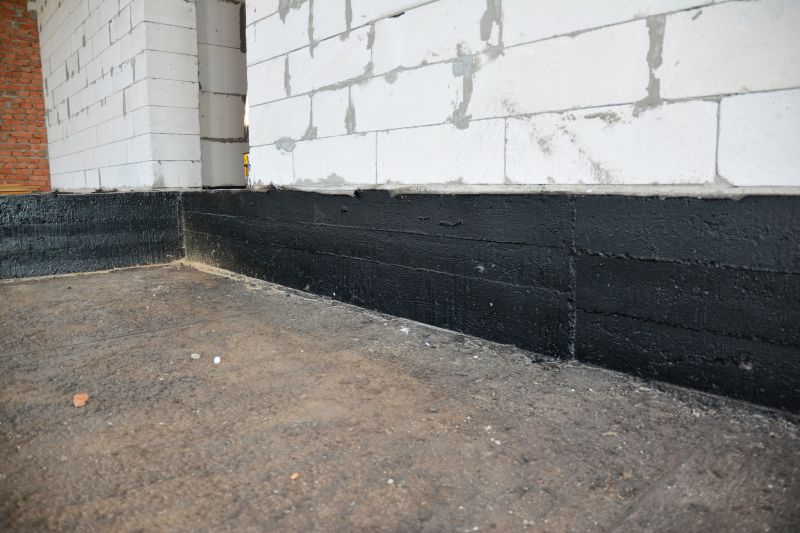
When evaluating local contractors for basement or foundation waterproofing, it’s important to consider their experience with similar projects. Homeowners should inquire about how many waterproofing jobs they have completed that involve issues like basement leaks, seepage, or foundation cracks. Contractors with a history of handling comparable work are more likely to understand the specific challenges involved and provide solutions tailored to the unique conditions of the property. This experience can help ensure that the waterproofing system installed is effective and durable, reducing the likelihood of future problems.
Clear written expectations are essential when comparing service providers. Homeowners should seek detailed proposals that outline the scope of work, materials to be used, and the steps involved in the waterproofing process. Having this information in writing helps prevent misunderstandings and provides a basis for comparing different contractors’ approaches. It also allows homeowners to ask informed questions and ensure that the proposed work aligns with their needs and concerns regarding signs their basement or foundation needs waterproofing.
Reputable references and good communication are key factors in selecting a reliable service provider. Homeowners can ask local contractors for references from past clients who had similar waterproofing issues. Speaking with previous customers offers insight into the contractor’s professionalism, quality of work, and ability to address concerns. Additionally, choosing a contractor who communicates clearly and responds promptly to questions can make the process smoother and more transparent. Effective communication helps ensure that homeowners are kept informed throughout the project and that any issues are addressed promptly, leading to a more satisfactory outcome when dealing with signs that a basement or foundation requires waterproofing.
Property owners often search for signs your basement or foundation needs waterproofing when they are planning practical projects around their homes and businesses. Local pros provide Basement or Foundation Waterproofing services for everyday jobs and straightforward project options.
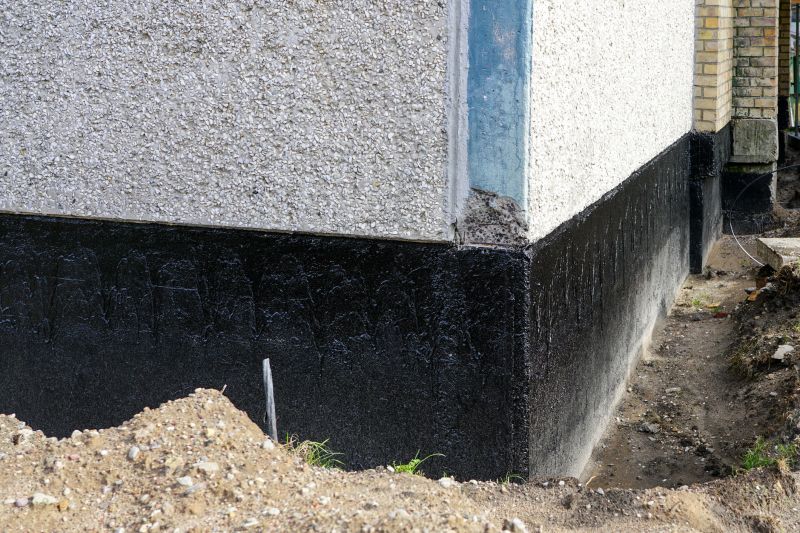
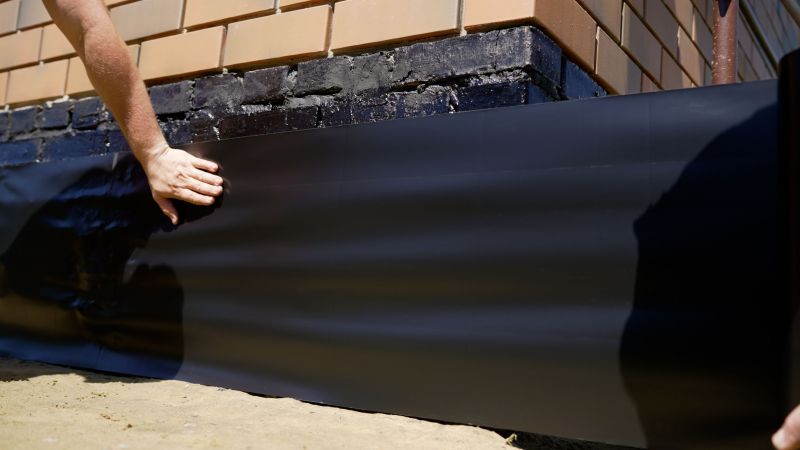
Many property owners start to notice signs that their basement or foundation may need waterproofing during routine home inspections or after heavy rainfall. Common indicators include persistent dampness or a musty smell in the basement, which can suggest moisture infiltration. Cracks in the foundation walls or flooring, especially if they appear to be widening or worsening, are also signals that waterproofing services might be necessary to prevent further damage and maintain the structural integrity of the property.
Other everyday situations that prompt homeowners to look into waterproofing include noticing water pooling around the foundation after storms or seeing water stains on basement walls. These signs often lead property owners to seek out local contractors who specialize in waterproofing solutions. Connecting with experienced service providers can help address these issues early, protecting the home from potential water damage and long-term structural problems.
What are common signs that a basement or foundation needs waterproofing? Visible water stains, mold growth, musty odors, or efflorescence on walls can indicate moisture issues that may require waterproofing services from local contractors.
How can I tell if my basement has excessive moisture or leaks? Frequent dampness, pooling water, or peeling paint are signs that a basement or foundation may need waterproofing from experienced service providers.
What should I look for to identify foundation problems related to water damage? Cracks in foundation walls, uneven flooring, or water seepage during rainfall are indicators that local contractors specializing in waterproofing should assess the issue.
Are there specific signs that indicate waterproofing is necessary before foundation damage occurs? Persistent dampness, discoloration, or increased humidity levels in the basement can signal the need for waterproofing from professional service providers.
How do I know if my basement or foundation is at risk for water-related issues? Signs such as water stains, musty smells, or visible mold growth suggest that local waterproofing experts should evaluate the structure to prevent further damage.
Cracks in basement walls - noticing small or expanding cracks can indicate water pressure issues that require waterproofing solutions provided by local contractors.
Uneven or sinking floors - uneven flooring may signal foundation movement or moisture problems that local service providers can address with waterproofing methods.
Persistent dampness or mold - ongoing moisture or mold growth in the basement suggests the need for waterproofing to prevent further damage, with local pros offering effective options.
Water stains or efflorescence - visible water marks or white mineral deposits on walls point to water intrusion, which local contractors can help resolve through proper waterproofing.
If you are thinking about signs your basement or foundation needs waterproofing for a property, this guide is meant to help you understand this topic, the typical project types, and how different options might fit your plans.
When you are ready, you can use the quote form on this page to share a few details about your project. From there, local pros can review the basics and follow up with options that match what you have in mind.